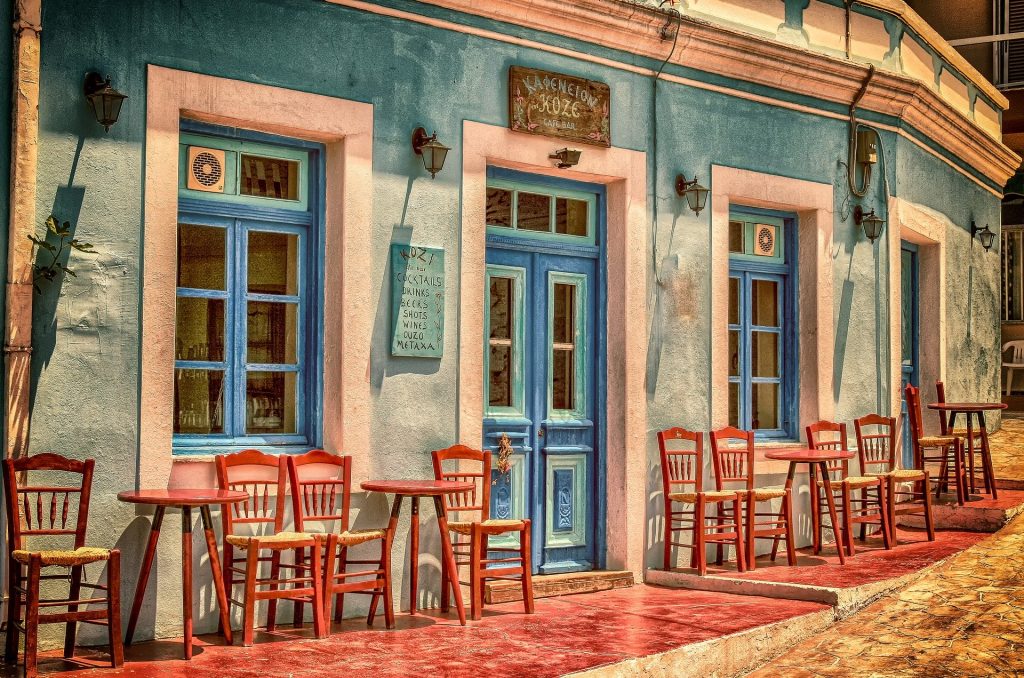
You may have thought about it in the shower, or the question might have kept you up at night: What is the difference between a cafe and a restaurant?
While you could argue that cafes serve coffee, some restaurants also have it in their menus. If both places serve food and drinks, doesn’t that essentially make them the same thing? Generally speaking, a restaurant refers to any establishment that serves food and beverages. Meanwhile, cafes are places that serve different types of coffee and drinks.
Following that logic, all cafes are restaurants – but not all restaurants are cafes.
Before you go into an existential crisis, don’t worry – we’ve got you. Let’s look at the basics and figure out the factors that place the cafe and restaurant in different categories.
Cafe vs Restaurant: Origin
Just like your average superhero, cafes and restaurants have their own origin story.
Although people all over the world have sold food for a long time, the first use of the term restaurant goes back to 18th century France. In 1765, French chef A. Boulanger opened a business that sold soup and other “restaurants” on its menu in Paris. Almost two decades later, Antoine Beauvilliers founded La Grande Taverne de Londres, which was the first eatery in recorded history that combined good interior and cooking with excellent service from waiters.
While they may not be the first ever restaurants, they provided a common name for the different types of food establishments that sprang up across the globe. Today, you can distinguish restaurants for their specialties (cuisine), speed (fast food), formality (fine dining), and other gimmicks.
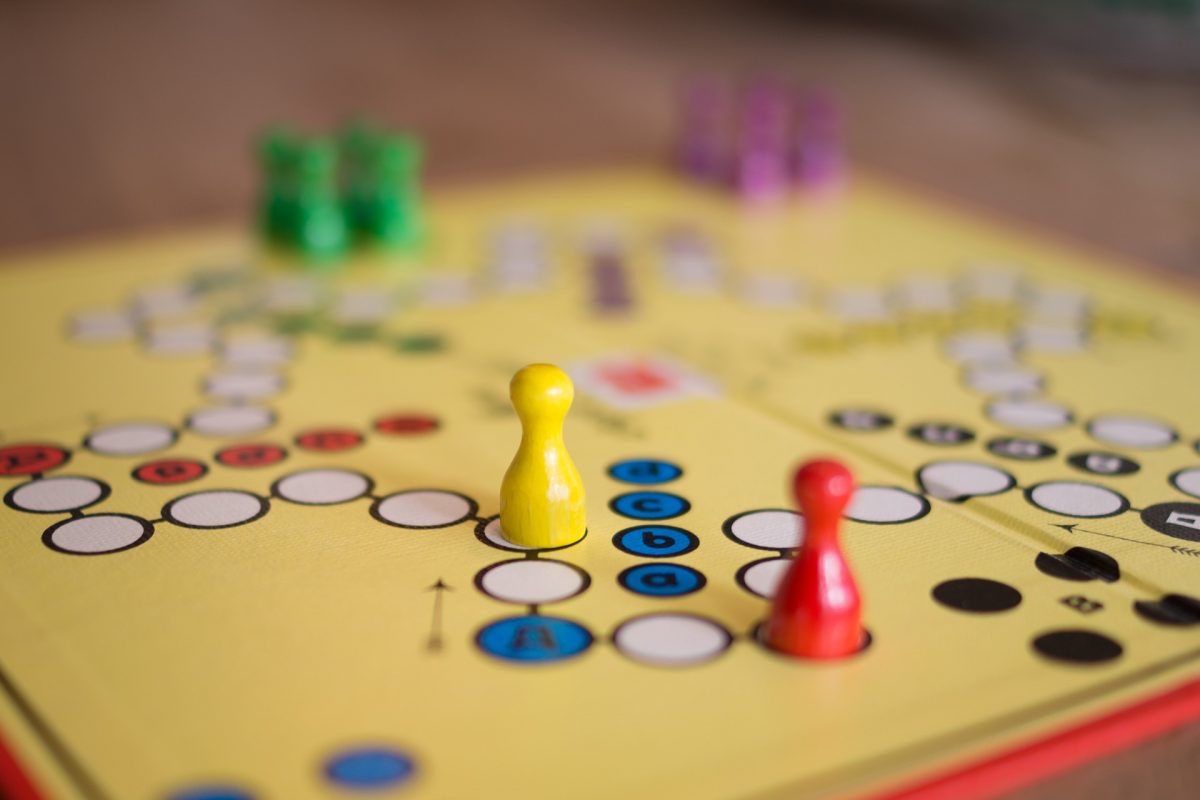
Meanwhile, the history of cafes goes back further east to the city of Mecca and the Arabian peninsula. By the time coffee became a big thing for the Ottoman Empire, the area had many coffeehouses where people – usually intellectuals – would meet, converse, and play board games over a cup of coffee. That doesn’t sound too far from your favorite corner cafe, does it?
Coffee has always been associated with waking people up and kick-starting their creative juices. It only makes sense that in England, cafes also served as a popular meeting place for artists and writers. The Café Procope in France particularly served the Enlightenment’s greatest minds, with Voltaire, Rousseau, and Denis Diderot as frequent patrons.
From there, cafes also expanded with their own gimmicks, with themed or novelty cafe concepts spreading around the world.
Cafe vs Restaurant: Menu
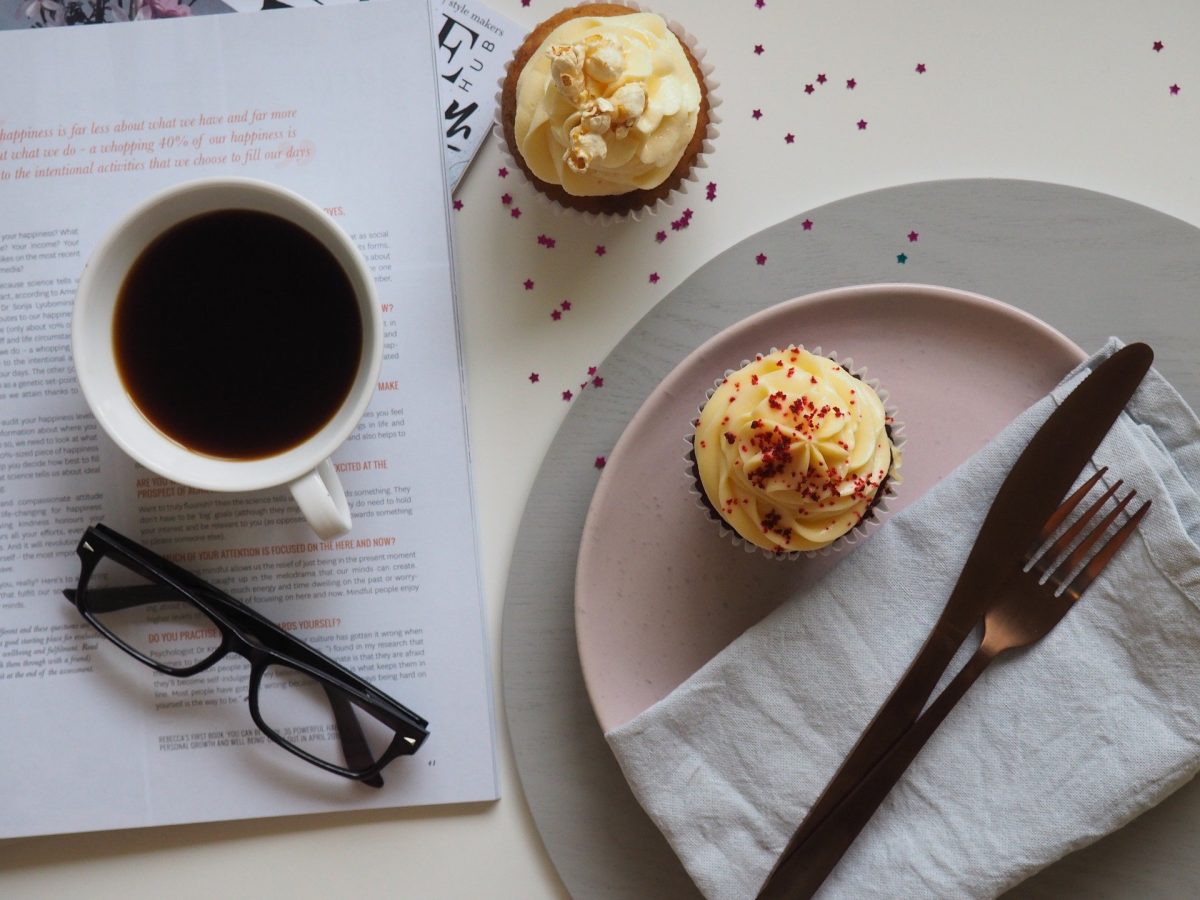
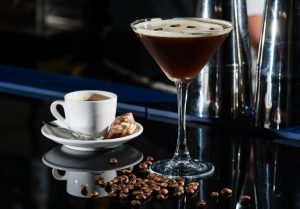
If someone asked you to name all the Starbucks drinks there are, you might give up before you even get to the Frappucinos. I wouldn’t blame you at all, since cafes like Starbucks have dozens of drinks made in twice as many different ways.
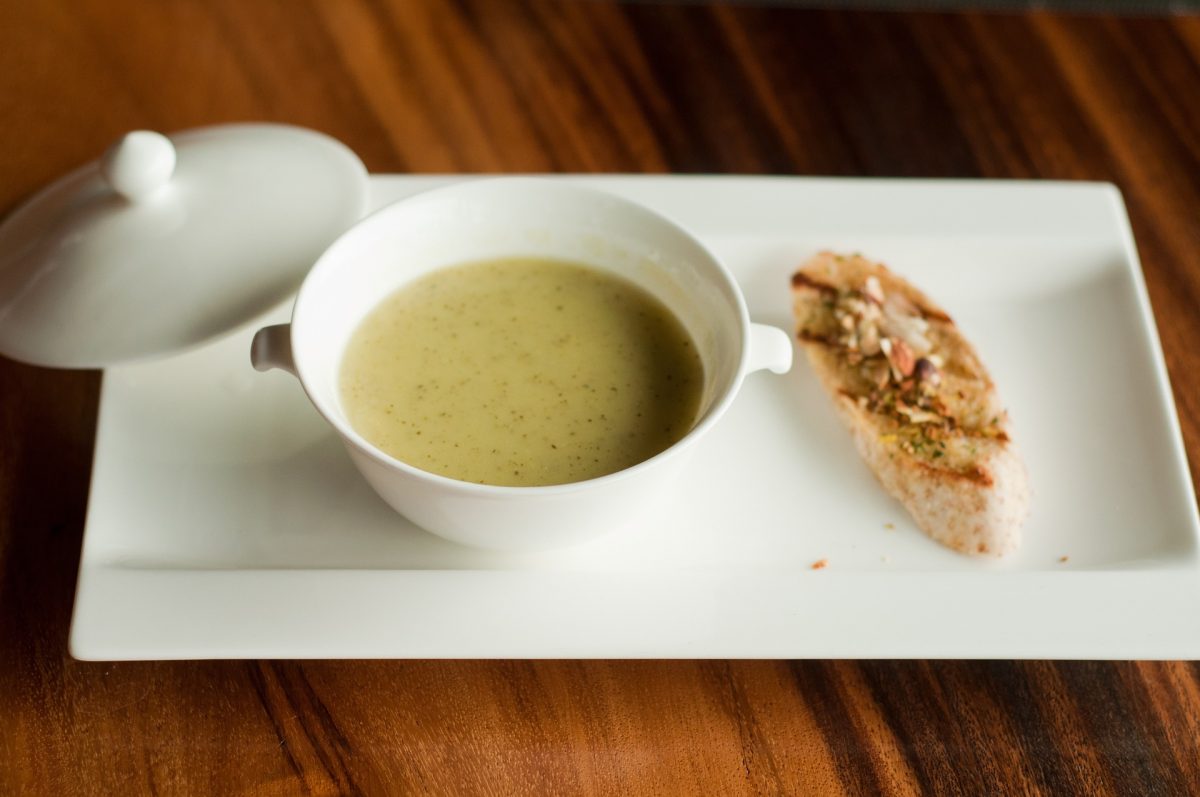
History aside, a cafe and restaurant offer different kinds of menus. Typically, cafes would serve lighter meals and snacks, while restaurants have more varied dishes in their arsenal with less drinks
When you’ve got a bit of a sweet tooth and want to indulge in cupcakes, you’d most likely make a detour for the nearest bakery cafe to get that sugary fix. Though you’d find desserts in your average restaurants, they’re usually not as varied nor as tempting as those displayed in cafes.
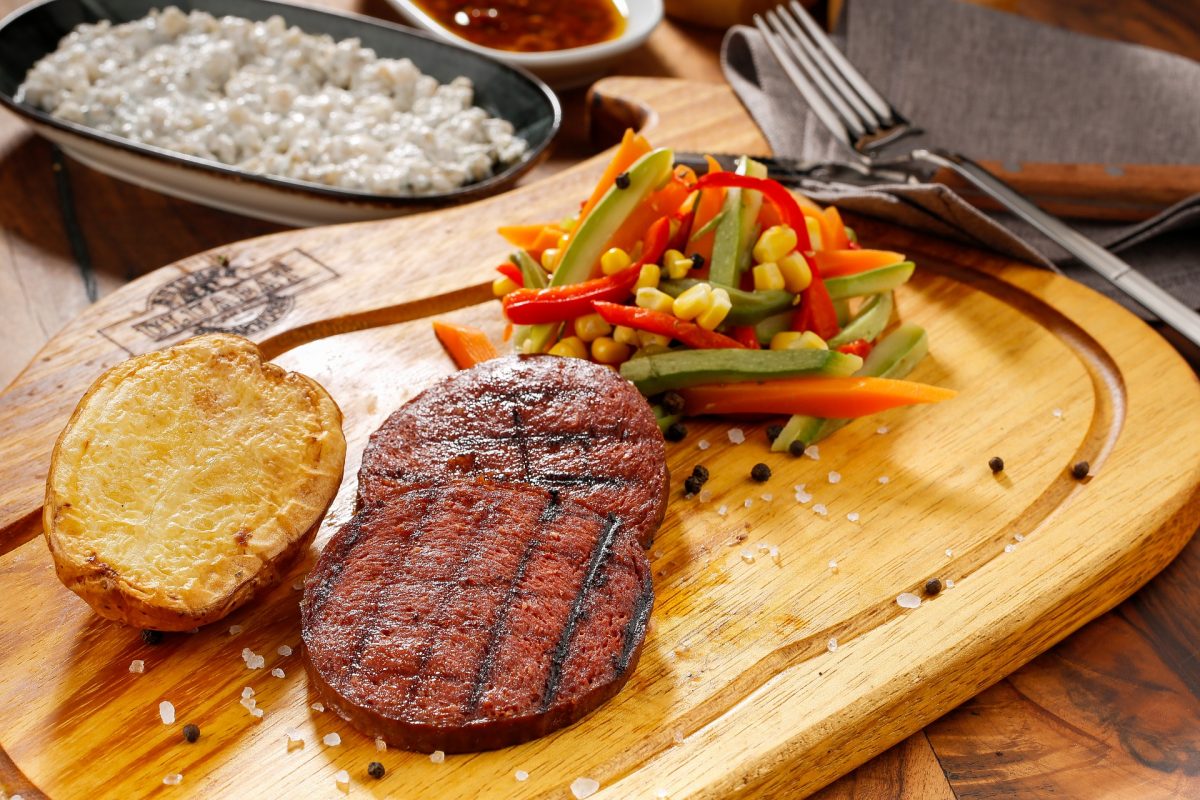
Similarly, if you get caught up in the lunch rush needing a heavy meal to get through the day, you probably wouldn’t have much luck with cafes. More often than not, you’d be better off grabbing takeout from the nearest restaurant that serves whatever you’re craving. However, it’s not unheard of for some cafes to offer entrees, burgers, or pasta with their beverages.
On the flip side, it’s safe to say that most restaurants would have at least a regular brewed coffee on their menu. Compared to cafes, most restaurants keep to a bare minimum of caffeine, letting their dishes shine instead.
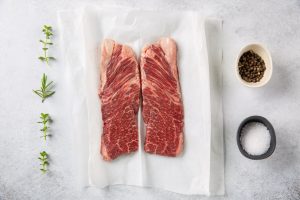
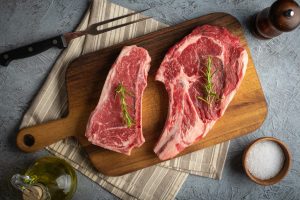
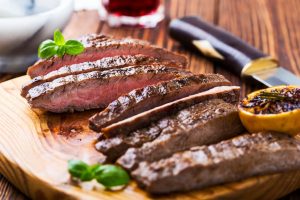
All in all, the difference in menus boils down to one point: You’d know not to look for round eye steak in a cafe the same way you shouldn’t expect a Venti latte with 10 pumps of vanilla and extra whip from a local restaurant.
Cafe vs Restaurant: Ambience

Hunger and diet aside, the difference in atmosphere between a cafe and restaurant might be the factor that makes you choose one over the other.
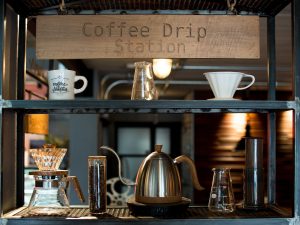
In a traditional sense, cafes usually have more of a quiet, intimate ambience. The warm lighting, WiFi, and charger ports usually make cafes a refuge for students, workaholics, and introverts. Almost every cafe has that one customer holed up with their nose buried in a book. There would also be that one group of colleagues (not-so) quietly discussing a project or work thing. Along with the ambient guitar music playing in the background, the powerful scent of coffee ties the whole experience together.
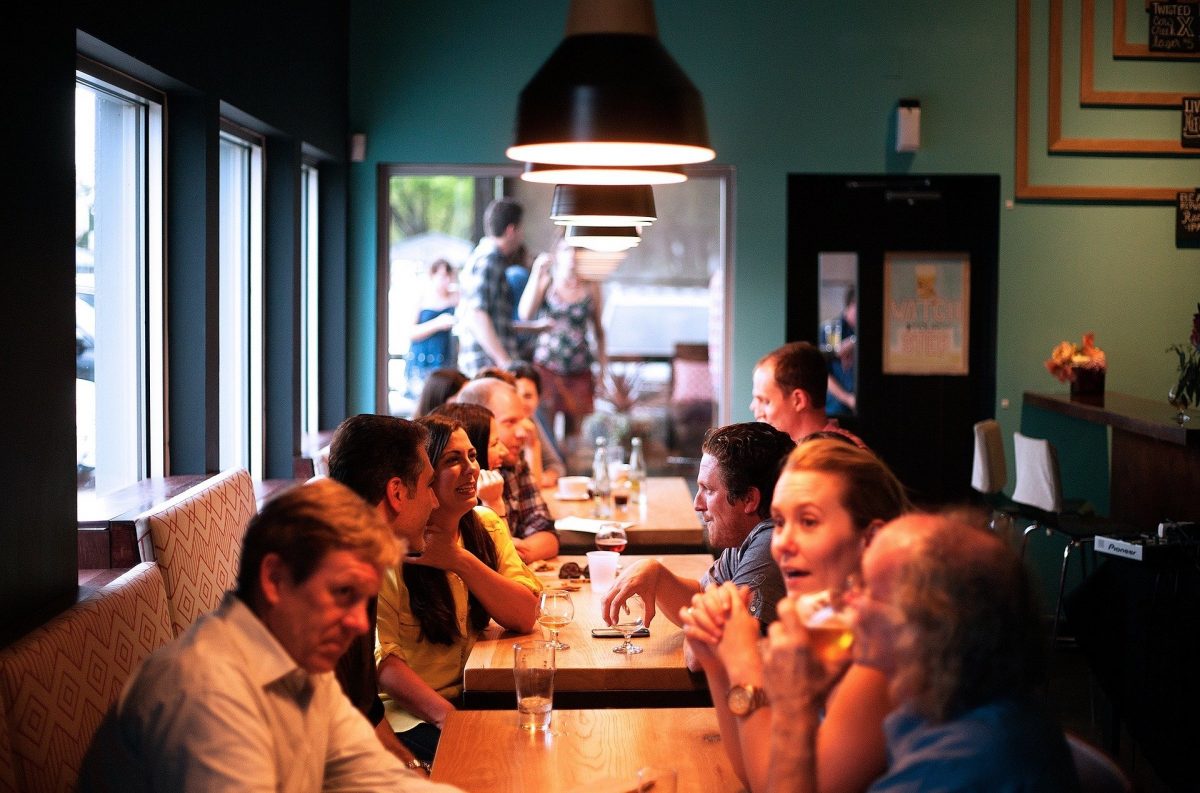
On the other hand, a restaurant’s ambiance encourages interacting in bigger circles. You wouldn’t go to a restaurant buffet to “chill”. And if you brought a book to a fast food chain, people would look at you funny. For this reason, restaurants are usually more likely to host big celebrations such as reunions, get-togethers, and send-offs. After all, who wouldn’t want to make memories over some good food?
Simply put, cafes provide more of a personal experience, while other restaurants cater to more social affairs. If you want to have some much-needed me-time, retreating to a cafe would probably be good for you. However, reuniting with friends you haven’t seen in a while would be more exciting and eventful at a bigger venue. For a first date, trying out food that you haven’t tried before could be great to keep the convo going. It’d leave less room for awkward silences than just hanging out at a cafe.
The Final Verdict
Although it’s true that cafes are a type of restaurant, they’re clearly a world of their own compared to other food establishments. While you could say that a fast food chain and a buffet have similarities, the same can’t be said for cafes. Although recent trends may combine the two, there’s still a clear line that puts them in different niches. As cafes attract the artistic crowd, social butterflies would still definitely go for a steakhouse or a pub.
Aside from the food on your plate, the experiences we get in restaurants also provide food for the soul. Whenever you find yourself debating between the two, just look inwards to find what you really need.
Was this page helpful?
Related Articles